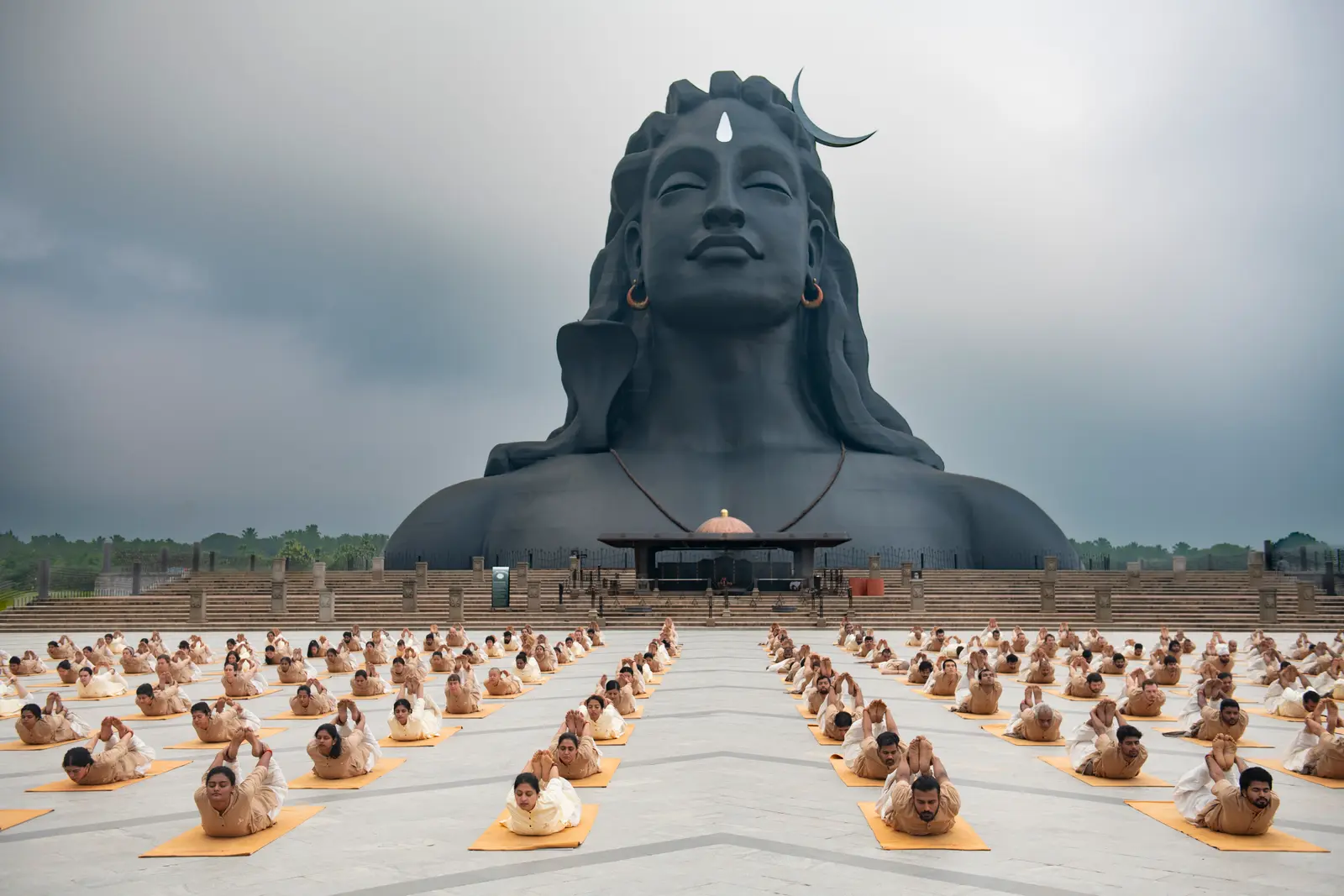
Food and the yogic way of eating
What you eat, and how and when you eat it, changes how you feel on the mat and off it. A few simple ideas from the yogic tradition.
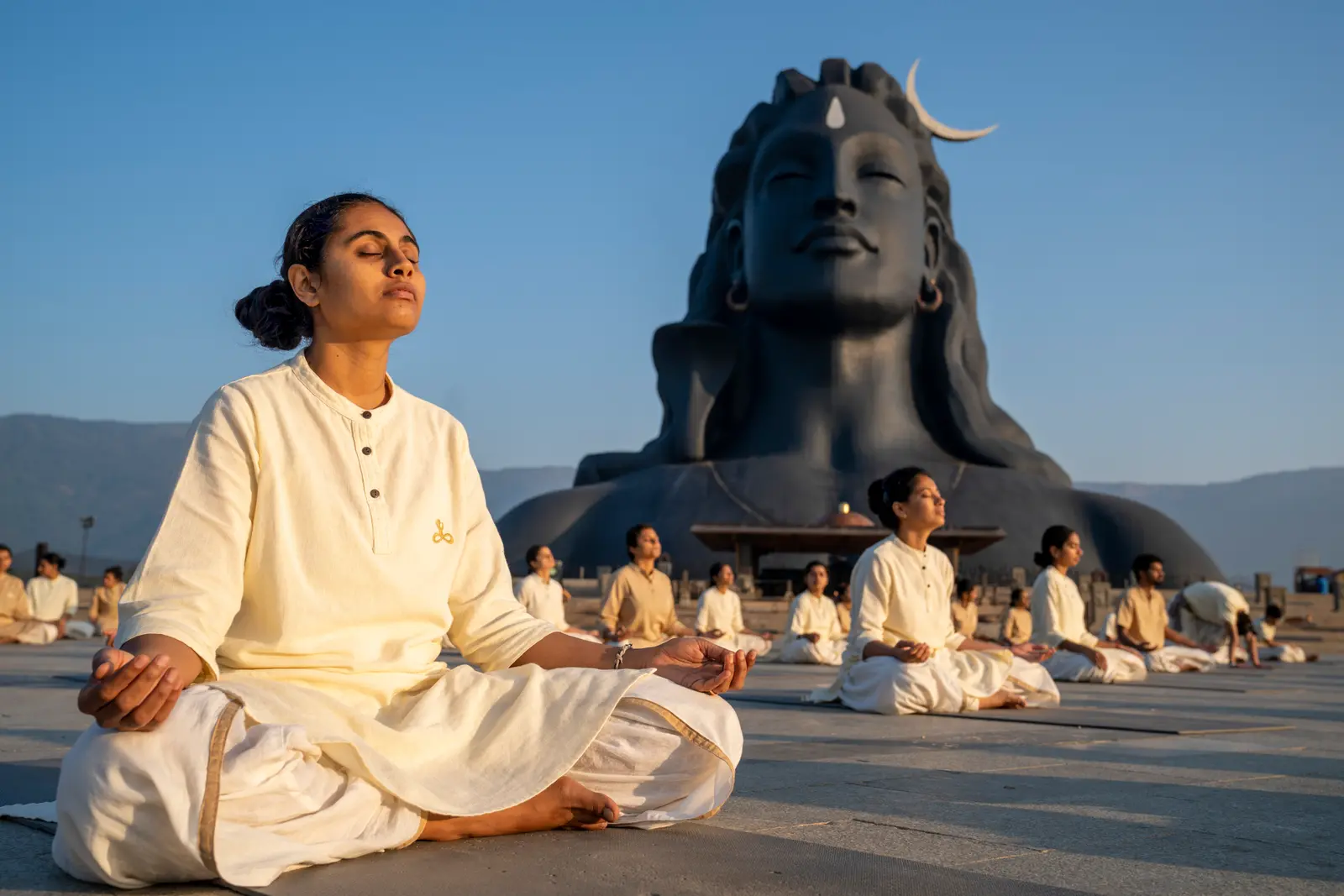
Anyone who has tried to practise yoga after a heavy lunch knows the feeling: the body is slow, the breath is short, and all you want is to lie down. Food and practice are closely linked. In the yogic tradition, eating is not only about nutrition. It is part of how you look after your whole system.
You do not need a strict diet to begin. A few simple habits make a real difference.
Practise on an empty stomach
This is the first thing we tell every student. Come to practice on an empty stomach, about four hours after a meal. When the stomach is full, the body’s energy goes into digestion. When it is empty, the practice can do its work, and you will find movement and breathing much easier.
For most people, the easiest time is early morning, before breakfast. That is one reason so many classical practices are done at sunrise.
Eat with attention
How you eat matters as much as what you eat. Sit down to eat. Chew well. Eat without a screen in front of you, at least for one meal a day. When you pay attention to food, you tend to eat less, digest better, and notice how different foods make you feel.
Many people also take a moment of gratitude before a meal. Whatever your background, it is a simple way to slow down and arrive at the table.
Notice how food makes you feel
Instead of following someone else’s rules, the yogic approach is to watch your own body. After a meal, do you feel light and alert, or heavy and sleepy? Two or three hours later, are you full of energy, or reaching for tea and snacks?
Fresh, simple, home-cooked food usually leaves people feeling lighter. Very heavy, fried or stale food usually does the opposite. Your body will tell you, if you give it the chance.
Do not overeat
Stopping before you are completely full is one of the oldest pieces of advice in many traditions, not only yoga. A stomach that is not stuffed digests better, and you leave the table with energy instead of losing it.
Give the body time between meals
Constant snacking keeps the digestive system busy all day. A clear gap between meals gives the body time to digest fully and rest. Many people find that once they have a regular practice, they feel less need to snack.
Start small
You do not need to change everything at once. Pick one habit, such as an empty stomach for practice, or one meal a day eaten with attention, and keep it for a few weeks. Then notice the difference. Like the practices themselves, these small habits work best when they become part of your day.
Want to learn these practices in person? Ashish teaches small batches at the studio in Argora, Ranchi.